
Introduction to the Procalcitonin Test
If your doctor mentions a procalcitonin test, you might wonder what it means. This simple blood test helps check for serious infections in the body. In fact, doctors often use it to find out if you have a bacterial infection or sepsis. Because early treatment is important, knowing about this test can help you understand your care better.
What is a Procalcitonin Test?
A procalcitonin test measures the amount of procalcitonin in your blood. Procalcitonin is a substance made by your body. Normally, healthy people have very low levels. However, when you have a severe bacterial infection, these levels rise quickly. This test is sometimes called a procalcitonin blood test.
Why is the Procalcitonin Test Done?
Doctors order this test for several reasons. Most often, it helps:Detect serious bacterial infections, such as sepsisTell the difference between bacterial and viral infectionsGuide treatment decisions, like starting or stopping antibioticsMonitor how well treatment is working
For example, if you have a high fever and feel very sick, your doctor may use this test to check for a dangerous infection.
How is the Procalcitonin Test Performed?
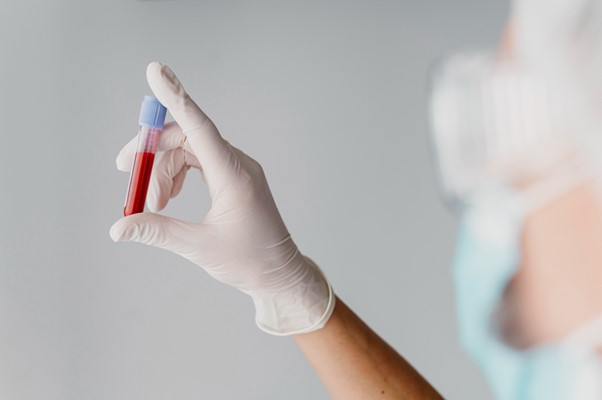
The procalcitonin test is quick and simple. First, a healthcare worker cleans your arm. Next, they use a small needle to take a blood sample from a vein. After that, the sample goes to a lab for testing. You do not need to fast or do anything special to prepare. Most people feel only a brief pinch during the blood draw.
What Do Procalcitonin Test Results Mean?
After the test, your doctor will explain the results. Here is what the numbers usually mean:Low procalcitonin levels: Usually, this means you do not have a serious bacterial infection.High procalcitonin levels: This may suggest a serious bacterial infection or sepsis.Normal range: In healthy people, procalcitonin is less than 0.1 ng/mL (nanograms per milliliter).
However, some other conditions can also raise procalcitonin. Because of this, your doctor will look at your symptoms and other test results too.
When Should You Consider a Procalcitonin Test?
Doctors may suggest this test if you:Have signs of a serious infection, like high fever or confusionAre in the hospital with possible sepsisNeed help deciding if antibiotics are neededAre being treated for infection and need to check progress
Sometimes, this test helps avoid unnecessary antibiotics, which is important for your health.
Risks and Limitations of the Procalcitonin Test
Like most blood tests, the risks are very low. You might have slight pain, bruising, or swelling where the needle went in. But these problems usually go away quickly. However, the test is not perfect. For instance, some non-infection conditions, like major surgery or injury, can also raise procalcitonin levels. Because of this, doctors use this test along with other information.
Frequently Asked Questions (FAQs)
Is the procalcitonin test painful? Most people feel only a quick pinch during the blood draw.Do I need to fast before the test? No, you can eat and drink as usual.How long does it take to get results? Results are often ready within a few hours to a day.Can this test tell if I have a viral infection? No, but low procalcitonin levels may suggest a viral infection instead of a bacterial one.Is the procalcitonin test used for children? Yes, doctors may use it for both adults and children.
When to Consult a Healthcare Provider
If you have symptoms of a serious infection, such as high fever, chills, or confusion, you should see a doctor right away. Also, if you have questions about your procalcitonin test results, your healthcare provider can explain what they mean for you. Remember, only a doctor can give you advice based on your full health picture.
Conclusion
In summary, the procalcitonin test is a helpful tool for finding and managing serious infections. While it is simple and safe, your doctor will use it along with other tests to make the best decisions for your care. For more information or advice about procalcitonin testing, consult your healthcare provider.